

The Day I Agreed to a Sinus Lift
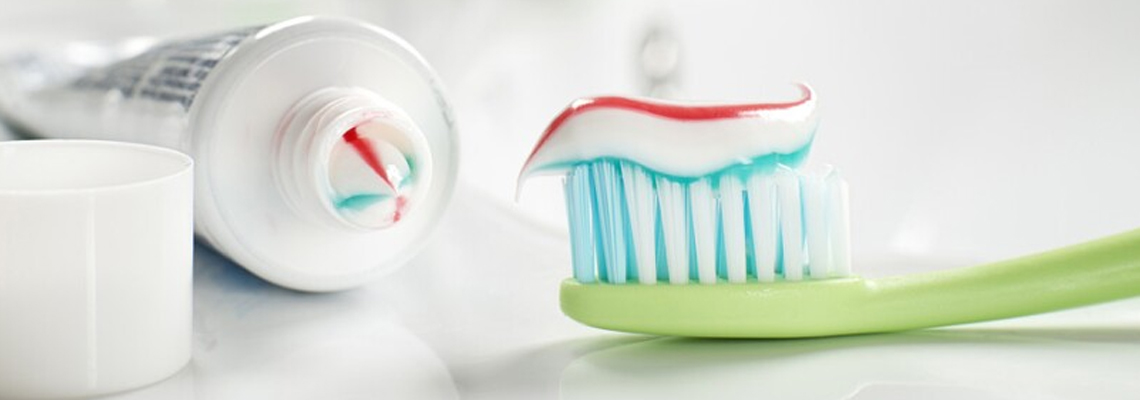
On normal, non-fasting days, good oral hygiene follows a simple and proven pattern. Teeth should be brushed twice a day—once at night before going to sleep and once in the morning after breakfast. Brushing after breakfast helps remove any food particles that get lodged between the teeth, while nighttime brushing clears away residue from dinner so bacteria do not remain active in the mouth during sleep. The objective is to ensure that the mouth stays clean for long hours, especially overnight, when saliva flow naturally decreases.
During Ramadan, daily routines change significantly, and oral care is often unintentionally neglected. Because fasting involves avoiding food and water during daylight hours, many people also avoid brushing during the day, believing it may affect their fast. A common pattern is that individuals brush & eat suhoor, offer their prayers, and then go back to sleep without brushing. When they wake up later, they still avoid brushing out of concern for fasting. By evening, work and family commitments take over, and brushing is again delayed or skipped—sometimes even after dinner. This disrupted routine can have a adverse impact on oral health. When teeth are not cleaned regularly, plaque builds up along the teeth and gumline. By the middle of Ramadan—around the 15th or 20th day—many people begin to experience symptoms such as gum inflammation, bleeding while brushing, bad breath, tooth sensitivity, and early signs of cavities.
To prevent these problems, brushing twice should continue during Ramadan, but with adjusted timing. The two most critical brushing times during the fasting month are:
- Immediately after suhoor, before Fajr prayers
- After dinner (iftar), before going to sleep
Brushing at these times ensures that food residue from suhoor and dinner is removed and that the mouth remains clean during the long fasting hours. This routine is essential for maintaining healthy gums, preventing tooth decay, and reducing bad breath throughout Ramadan.
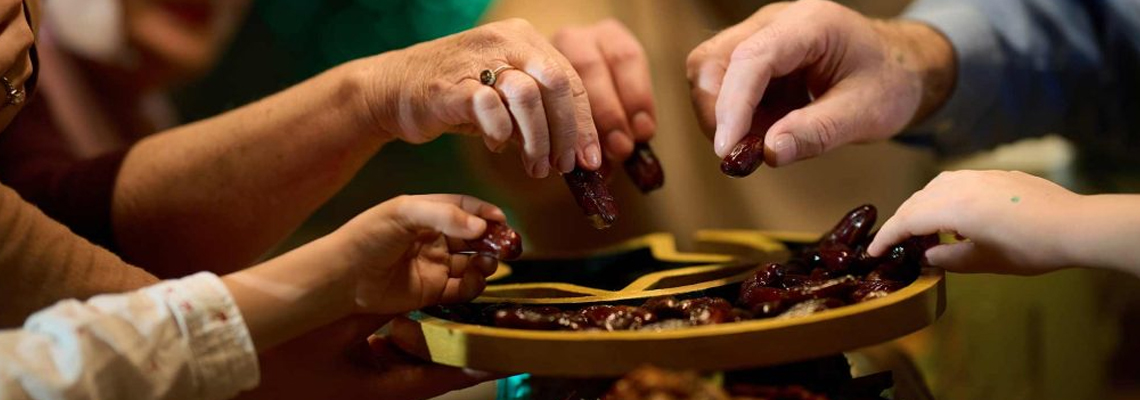
Dietary choices during iftar and suhoor also play a major role in oral health. Many traditional Ramadan meals include sweet dishes, sugary drinks, fried foods, spicy items, and acidic foods, all of which increase acid levels in the mouth and promote bacterial growth. Frequent consumption of sweets and sticky foods can lead to faster enamel erosion and cavities, especially when brushing is irregular.
For better oral health, it is advisable to limit sugary desserts, carbonated drinks, packaged juices, and overly acidic foods. Instead, include high-fiber fruits and vegetables (such as apples, carrots, and cucumbers), which naturally help clean teeth and stimulate saliva production. Nuts, whole grains, and protein-rich foods help maintain balanced nutrition without excessively feeding harmful oral bacteria. Adequate water intake between iftar and suhoor is crucial to prevent dry mouth and reduce bacterial multiplication.
If gum bleeding persists or worsens, an oral examination is strongly recommended. Early screening helps identify underlying gum disease and prevents progression to more serious conditions. Addressing these issues promptly ensures that fasting can continue comfortably without pain or complications.
Ramadan is a time of discipline, mindfulness, and holistic well-being. Caring for oral health is an important part of honoring the body during this sacred month. With the right brushing schedule, mindful food choices, proper hydration, supportive practices like timely dental checks, it is possible to maintain good oral health throughout Ramadan—allowing the focus to remain on spiritual growth, comfort, and confidence.
It is highly recommended to undergo professional teeth scaling before Ramadan begins to ensure optimal oral hygiene and prevent dental issues during fasting hours.
Are You Looking For Dental Implants
Click on the links below to learn more about the approximately $50,000 savings option for Dr. Motiwala’s packages.

- Full mouth dental implants & Cost of Treatment
- Smile Makeover & Cost of Treatment
- Watch 100’s of Testimonials from our International Patients
Make An Appointment!
Please contact us if you have dental difficulties or are interested to know about dental implants and how they might improve your smile. Dr. Motiwala Dental Clinic & Implant Center may be reached at +91 99596 14584. You can also Contact Us by clicking the banner below.