

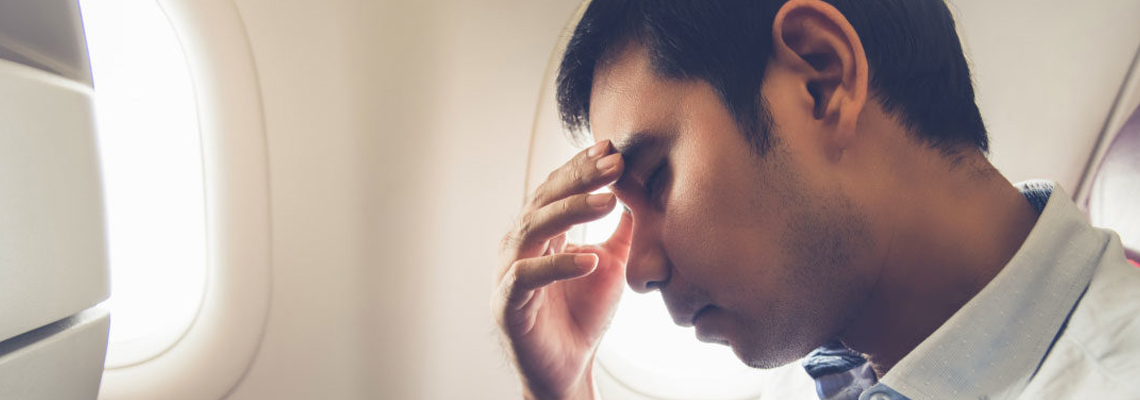
If you have ever stepped off a long flight feeling unusually aware of your teeth, you are not imagining things. Many travelers report that their mouth feels dry, their teeth feel sensitive, or their breath seems different after extended travel. This phenomenon, often overlooked, can be described as the dental jet lag effect. Just as your body clock struggles to adjust across time zones, your oral microbiome also experiences disruption, leaving your teeth and gums feeling unfamiliar for days after travel.
Understanding the Oral Microbiome
Your mouth is home to a complex ecosystem of bacteria, fungi, and microorganisms that exist in a delicate balance. This oral microbiome plays a critical role in protecting teeth, maintaining healthy gums, and supporting digestion. When the balance is stable, your mouth feels comfortable and resilient. When it is disrupted, even slightly, symptoms such as sensitivity, dryness, inflammation, or bad breath can emerge.
Long flights create the perfect conditions for this imbalance. Changes in air pressure, reduced humidity, dehydration, altered sleep patterns, and irregular eating habits all place stress on the oral environment. The result is a microbiome that temporarily shifts out of balance, leading to sensations that many travelers notice but rarely connect to flying.
Why Cabin Conditions Affect Your Teeth
Aircraft cabins are notorious for extremely low humidity levels. This dry air rapidly reduces saliva production, which is essential for neutralizing acids and washing away harmful bacteria. Saliva also provides minerals that help protect enamel. When saliva flow drops, teeth become more vulnerable to acid attacks and bacterial activity.
In addition, cabin pressure changes can subtly affect the nerves inside teeth, especially if there are existing fillings, crowns, or untreated cavities. This explains why some people experience temporary tooth sensitivity or pressure discomfort during or after flights. These sensations often resolve within a few days, but they highlight how sensitive dental tissues are to environmental changes.
Sleep Disruption and Bacterial Shifts
Crossing time zones disrupts your circadian rhythm, which affects not only sleep but also immune function and saliva production. When sleep patterns are disturbed, the body’s ability to regulate inflammation weakens. This can allow harmful oral bacteria to gain a temporary advantage over beneficial strains.
Late-night snacking during flights, skipped brushing routines, and reliance on sugary or acidic beverages further fuel bacterial imbalance. Even travelers with excellent oral hygiene can experience these effects simply because their normal rhythm has been interrupted.
Why Teeth Feel “Different” After Landing
Many travelers describe their teeth as feeling rough, coated, or unusually sensitive after long flights. This sensation often comes from bacterial film buildup combined with reduced saliva and mild dehydration. Gums may feel tender, and breath may not feel as fresh despite regular brushing.
These changes are usually temporary, but they serve as a reminder that oral health is deeply connected to systemic balance. Just as your digestion and energy levels take time to normalize after travel, your mouth also needs time to recover.
Supporting Your Mouth During Travel
Supporting your oral microbiome during travel begins with hydration. Drinking water consistently throughout your journey helps maintain saliva flow and reduces bacterial concentration. Gentle oral hygiene practices, such as brushing and flossing before sleeping—even on long flights—can significantly reduce bacterial overgrowth.
Avoiding excessive alcohol and sugary snacks during travel also protects enamel and limits harmful bacterial growth. Sugar-free gum can stimulate saliva production and help rebalance the oral environment naturally.
When Dental Jet Lag Signals a Deeper Issue
While dental jet lag is typically harmless, persistent discomfort after travel may indicate underlying dental issues such as cracked fillings, hidden decay, or gum inflammation. Long flights often expose weak points in oral health that were previously unnoticed. If symptoms persist beyond a few days, a dental evaluation is recommended.
Regular dental checkups ensure that small vulnerabilities are addressed before travel amplifies them into discomfort. A healthy mouth is far more resilient to environmental stress than one with untreated issues.
Helping Your Smile Readjust
The dental jet lag effect is a subtle but real experience that highlights how interconnected your body systems truly are. By understanding how travel disrupts your oral microbiome, you can take simple steps to protect your teeth and gums wherever your journey takes you. With hydration, consistency, and awareness, your smile can recover just as smoothly as the rest of you—ready to enjoy the destination as much as the journey.
Are You Looking For Dental Implants
Click on the links below to learn more about the approximately $50,000 savings option for Dr. Motiwala’s packages.

- Full mouth dental implants & Cost of Treatment
- Smile Makeover & Cost of Treatment
- Watch 100’s of Testimonials from our International Patients
Make An Appointment!
Please contact us if you have dental difficulties or are interested to know about dental implants and how they might improve your smile. Dr. Motiwala Dental Clinic & Implant Center may be reached at +91 99596 14584. You can also Contact Us by clicking the banner below.