


Most people think of taste as something that happens entirely on the tongue, but few realize just how closely oral health is connected to the way flavors are perceived. Your tongue is home to thousands of taste buds, each responsible for sensing sweetness, saltiness, bitterness, sourness, and umami. However, the map of your taste buds is not fixed. It can shift, dull, or become overly sensitive depending on the state of your teeth, gums, and oral tissues. Understanding how dental health influences taste can help you appreciate the delicate relationship between the mouth and the sensory experience of eating.
The Constantly Changing Landscape of the Tongue
Contrary to the outdated myth of a rigid “taste map,” your tongue does not assign specific regions to particular tastes. Instead, taste buds are distributed throughout the surface, and their sensitivity evolves over time. Oral health plays a major role in this evolution. When the mouth experiences inflammation, infection, dryness, or mechanical irritation, the taste buds can become damaged or suppressed. This shifts the topography of your tongue and alters how you perceive flavors.
For example, gum disease or recurrent mouth infections often increase the presence of harmful bacteria, producing metabolic byproducts that coat the tongue. This not only dampens taste signals but can also create unpleasant metallic or bitter sensations. In this way, poor oral hygiene does not simply affect your smile—it can change the very way food tastes.
Dental Conditions That Alter Taste Perception
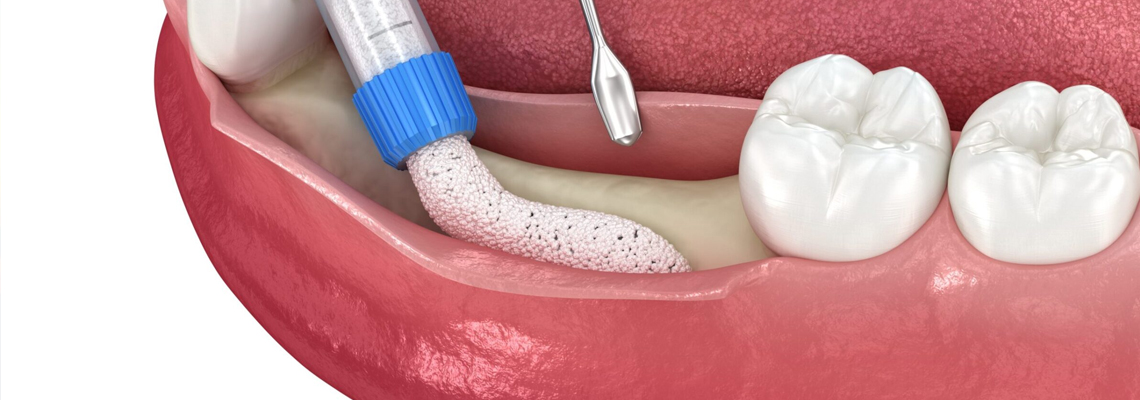
Many people are surprised to learn that cavities, abscesses, and cracked teeth can influence taste. When decay spreads, it triggers inflammation in the surrounding tissues. This inflammation alters the microenvironment of the tongue, causing taste buds to respond differently. Even restorative procedures like fillings, crowns, or extractions can temporarily shift taste sensations as the oral tissues heal.
Another major factor is dry mouth. When saliva production decreases due to medications, illness, or dehydration, the tongue cannot efficiently carry flavor molecules to the taste buds. Saliva also protects and nourishes the taste cells. Without adequate moisture, food may taste bland or distorted, and subtle flavors become harder to detect.
The Influence of Oral Hygiene on Flavor Sensitivity
Good oral hygiene can dramatically improve taste perception. Brushing the tongue, maintaining gum health, and reducing bacterial buildup all help reset the taste bud landscape. When the tongue’s surface is clean and hydrated, flavors become sharper and more enjoyable. Many patients are shocked at how foods taste after treating gum infections or receiving professional cleanings. Restoring oral health often means restoring the joy of eating.
Even the spacing and alignment of teeth affect taste indirectly. Misaligned teeth can trap food, allowing bacteria to thrive and produce sulfur compounds that interfere with taste signals. Straight, clean teeth provide a healthier environment for the entire tongue and mouth, enhancing the overall sensory experience.
When Dental Treatment Restores More Than a Smile
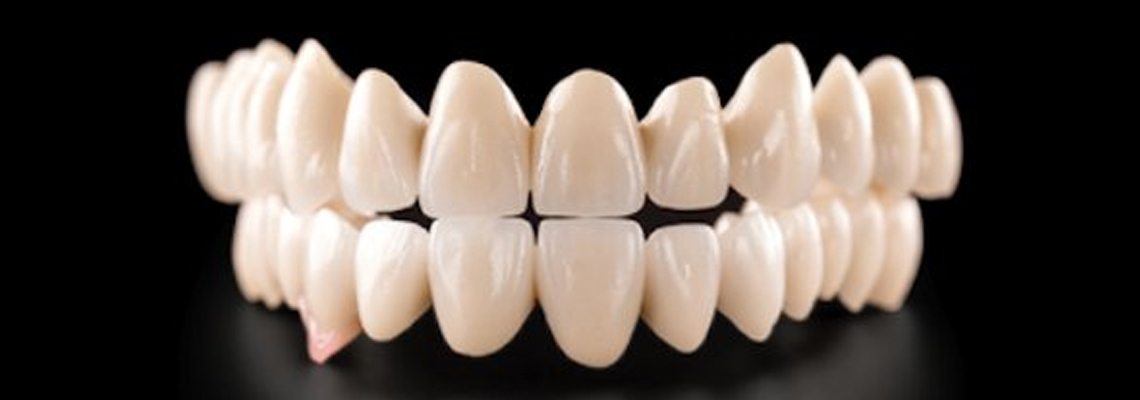
Modern dental care aims not only to improve aesthetics and function but also to support the sensory systems linked to oral wellness. Patients who undergo full-mouth rehabilitation, periodontal therapy, or implant restoration often report improvements in their taste perception within weeks. By stabilizing the mouth, eliminating infection, and promoting healthy tissues, dental treatment can reawaken dormant taste buds and restore the natural balance of the tongue.
It is a reminder that dental health is not just about preserving teeth—it is about preserving quality of life. Taste is deeply tied to memory, pleasure, and emotional well-being. When oral problems dull this sense, treating them brings far more than physical relief.
A Healthier Mouth for a Richer Taste of Life
Your tongue is constantly adapting, and its ability to sense flavor depends greatly on the condition of your mouth. By caring for your teeth, gums, and tongue, you are not only protecting your oral health but also nurturing one of your most cherished senses. A healthier smile leads to a more vibrant palate, ensuring that every meal is as enjoyable as it should be. When oral wellness becomes a priority, your taste buds thank you in the most delicious way possible.
Are You Looking For Dental Implants
Click on the links below to learn more about the approximately $50,000 savings option for Dr. Motiwala’s packages.

- Full mouth dental implants & Cost of Treatment
- Smile Makeover & Cost of Treatment
- Watch 100’s of Testimonials from our International Patients
Make An Appointment!
Please contact us if you have dental difficulties or are interested to know about dental implants and how they might improve your smile. Dr. Motiwala Dental Clinic & Implant Center may be reached at +91 99596 14584. You can also Contact Us by clicking the banner below.