


Tooth Erosion: How Everyday Acidic Foods Are Silently Destroying Your Enamel
Tooth erosion happens when acids gradually dissolve the outer enamel layer of your teeth. Unlike standard cavities, this damage is unique: it starts as a purely chemical reaction rather than being triggered by bacteria alone. According to clinical data from the American Dental Association (ADA), dental erosion is a permanent wearing away of the enamel. If left unchecked, it can progress from minor surface wear to severe sensitivity, structural discoloration, and deep nerve exposure.
Table of Contents
- What is Tooth Erosion?
- Why Acid Damages Enamel: The Science of Oral pH
- Foods and Drinks That Cause Enamel Wear
- Signs of Tooth Erosion: What Does It Look Like?
- Can Tooth Erosion Be Reversed?
- Dental Erosion Treatment and Restoration Options
- How to Prevent Enamel Erosion: Protecting Your Teeth
- FAQ: Your Top Questions Answered
1
What is Tooth Erosion?
Your enamel is the highly mineralized, hard protective shell shielding your teeth from daily wear and tear. However, repeated exposure to dietary acids temporarily softens this surface. Clinical literature published by the National Institutes of Health (NIH) defines dental erosion as the progressive partial demineralization of this hard tissue.
Unlike acute dental decay, acid erosion on teeth does not happen overnight or from a single meal. It is a slow, cumulative process. It typically accelerates when acidic foods or drinks are consumed frequently throughout the day, especially when they are sipped slowly, swished around the mouth, or consumed as snacks between major meals.
2
Why Acid Damages Enamel: The Science of Oral pH
To understand how acidic foods damage teeth, we have to look at the oral pH scale. A neutral mouth sits at a pH of 7. When you consume acidic items, your oral pH drops. Once it falls below the critical pH threshold of 5.5, the chemical bonds holding your enamel minerals together begin to break, pulling calcium and phosphate out of the tooth structure.
Two drinks can taste equally sour but affect your teeth differently. Your enamel’s safety depends on a beverage’s titratable acidity (how long it keeps the mouth acidic) and its buffering capacity (how hard your saliva has to work to neutralize it). Because carbonated drinks, citrus juices, and sports beverages hold a low pH and possess high titratable acidity, they linger in the mouth, keeping the enamel in a softened state for dangerously long periods.
3
Foods and Drinks That Cause Enamel Wear
While some dietary items are obvious culprits, other healthy staples become a threat purely due to how often they are consumed throughout the day. The most prominent foods and drinks that cause tooth erosion include:
- ✓Carbonated Sodas: Both regular and sugar-free varieties contain highly erosive citric and phosphoric acids.
- ✓Energy & Sports Drinks: Frequently used during high-intensity workouts when the mouth is already dry, amplifying enamel wear.
- ✓Fruit Juices & Wine: Apple, orange, and grape juices carry natural acids, while wine introduces tartaric acid.
- ✓Citrus Fruits & Tomatoes: Lemons, limes, and grapefruits are destructive if sucked on directly or consumed frequently alone.
- ✓Vinegars & Pickled Foods: Apple cider vinegar shots and heavy balsamic dressings can rapidly strip healthy surface minerals.
4
Signs of Tooth Erosion: What Does It Look Like?
Early tooth erosion is notoriously easy to miss because enamel wears away evenly across the surface rather than leaving a distinct hole. Paying attention to key physical changes is vital for early intervention.
Early Stages of Enamel Wear
You might experience acute tooth sensitivity from acid when consuming hot, cold, or sweet treats. Visually, teeth take on a slightly yellow tint as the white enamel thins, revealing the underlying yellow dentin. The surfaces may also look unusually smooth, rounded, or shiny.
Advanced Stages of Dental Erosion
In more serious cases, the edges of the front teeth look translucent or “see-through.” Teeth appear shortened, fractured, or cupped out on the chewing surfaces. You might also notice that existing dental fillings seem to “stand out” or sit higher than the surrounding eroded enamel.
5
Can Tooth Erosion Be Reversed?
The short answer is no. Because enamel contains no living cells, your body cannot naturally grow it back once it is physically lost. However, if you catch it early during the “softened” phase before the structure has completely worn away, you can effectively stop enamel erosion and remineralize the remaining surface using targeted professional fluoride treatments or hydroxyapatite care.
If the erosion passes into the deeper, highly sensitive dentin layer, professional restorative intervention becomes necessary to protect the tooth from eventual nerve complications or structural failure.
6
Dental Erosion Treatment and Restoration Options
When significant structural loss has occurred, advanced restorative care is needed to rebuild your bite, block tooth sensitivity, and shield the underlying nerves. Depending on the severity of the wear, modern dentistry offers several highly effective solutions:
- ①Dental Bonding: For mild to moderate wear, a tooth-colored composite resin is sculpted over the tooth to replace lost enamel and eliminate sharp sensitivities.
- ②Porcelain Veneers: Ideal for front teeth that have become translucent, thin, or chipped due to acid wear, restoring both strength and pristine smile aesthetics.
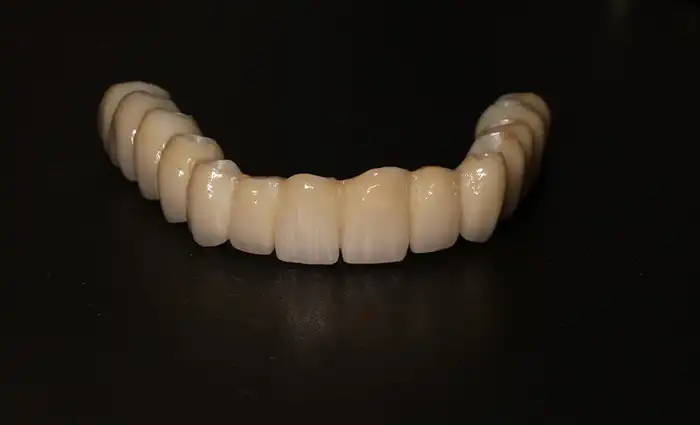
- ③Dental Crowns: When erosion has flattened or shortened back teeth, a custom-crafted porcelain crown is placed over the remaining structure to completely restore its shape, integrity, and chewing function.
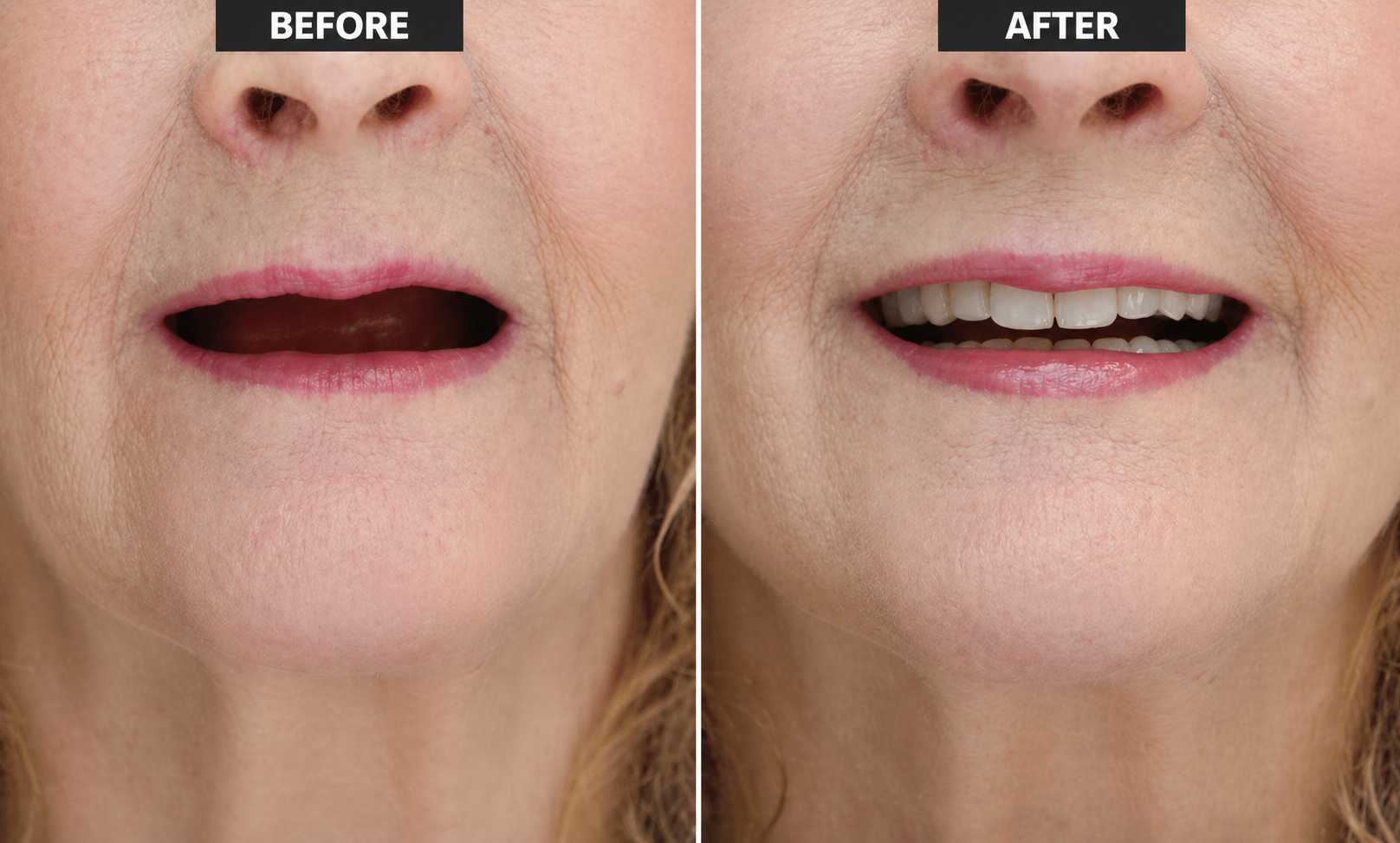
- ④Full Mouth Dental Restoration: In extreme cases where acid reflux, medical factors, or chronic dietary habits have devastated the entire bite, a comprehensive full mouth dental restoration is utilized to systematically rebuild every single tooth.
7
How to Prevent Enamel Erosion: Protecting Your Teeth
The goal of learning how to prevent enamel erosion isn’t necessarily cutting out every single acidic food or drink you enjoy, it is about intelligently altering how your teeth interact with them. You can dramatically protect your enamel from acid by adopting these simple dietary habits:
- ✓The 30-Minute Rule: Never brush your teeth immediately after consuming acidic items. Because acid softens the enamel, brushing right away physically scrubs the softened minerals away. Wait at least 30 minutes for your saliva to naturally re-harden the surface.
- ✓Modify Your Drinking Habits: Use a straw placed toward the back of your mouth for juices, sodas, or iced coffees to bypass your teeth entirely. Avoid swishing acidic drinks around your mouth.
- ✓Eat Instead of Snack: Consume acidic foods (like citrus or tomatoes) as part of a larger meal rather than as standalone snacks. Combining them with alkaline choices, like cheese, helps neutralize acids instantly.
- ✓Boost Your Natural Saliva Flow: Saliva is your mouth’s natural defense mechanism. Drink plenty of water alongside meals, and chew sugar-free gum to stimulate healthy, mineral-rich saliva flow for rapid remineralization.
- ✓See Your Dentist Regularly: Routine dental checkups allow professionals to detect early micro-signs of erosion before permanent structural loss occurs.
8
FAQ: Your Top Questions Answered
Is tooth erosion the same thing as a cavity?
No. Cavities are caused by bacteria converting sugars into acid in localized spots, whereas tooth erosion is a widespread chemical wear caused directly by dietary or stomach acids without bacterial involvement.
Can lost enamel grow back naturally?
No. Enamel does not contain living cells, so the body cannot regenerate it. Once enamel physically wears away, it can only be restored through professional dental treatments like bonding, veneers, or crowns.
Why shouldn’t I brush my teeth right after eating fruit or drinking soda?
Dietary acids temporarily soften your enamel. If you brush immediately, the mechanical friction of the toothbrush scrubs away the softened mineral layers. It is best to wait 30 minutes for saliva to naturally harden the teeth.
Are sugar-free carbonated drinks safe from causing erosion?
No. Even though they lack sugar to feed cavity-causing bacteria, sugar-free sodas and sparkling waters are still highly acidic due to carbonation and flavorings, which means they can still dissolve enamel over time.
How does saliva help prevent enamel erosion?
Saliva naturally dilutes and buffers acids in the mouth, restoring a safe pH level. It is also packed with essential calcium and phosphate ions that actively remineralize and strengthen microscopic soft spots in your enamel.
Related Reading
- Smile Makeover Options in Hyderabad
- Preventive Dental Care at Dr. Motiwala Dental Clinic
- Porcelain Veneers and Dental Aesthetics